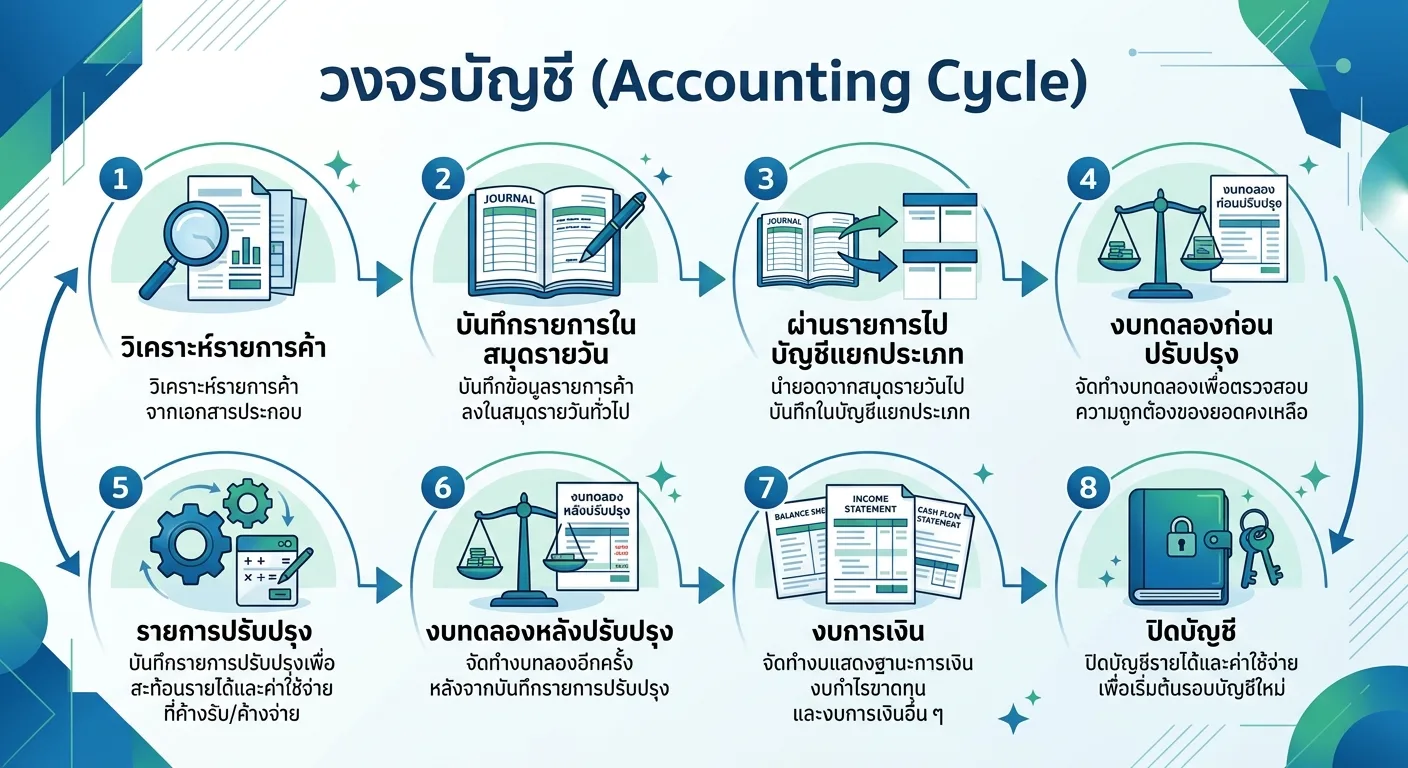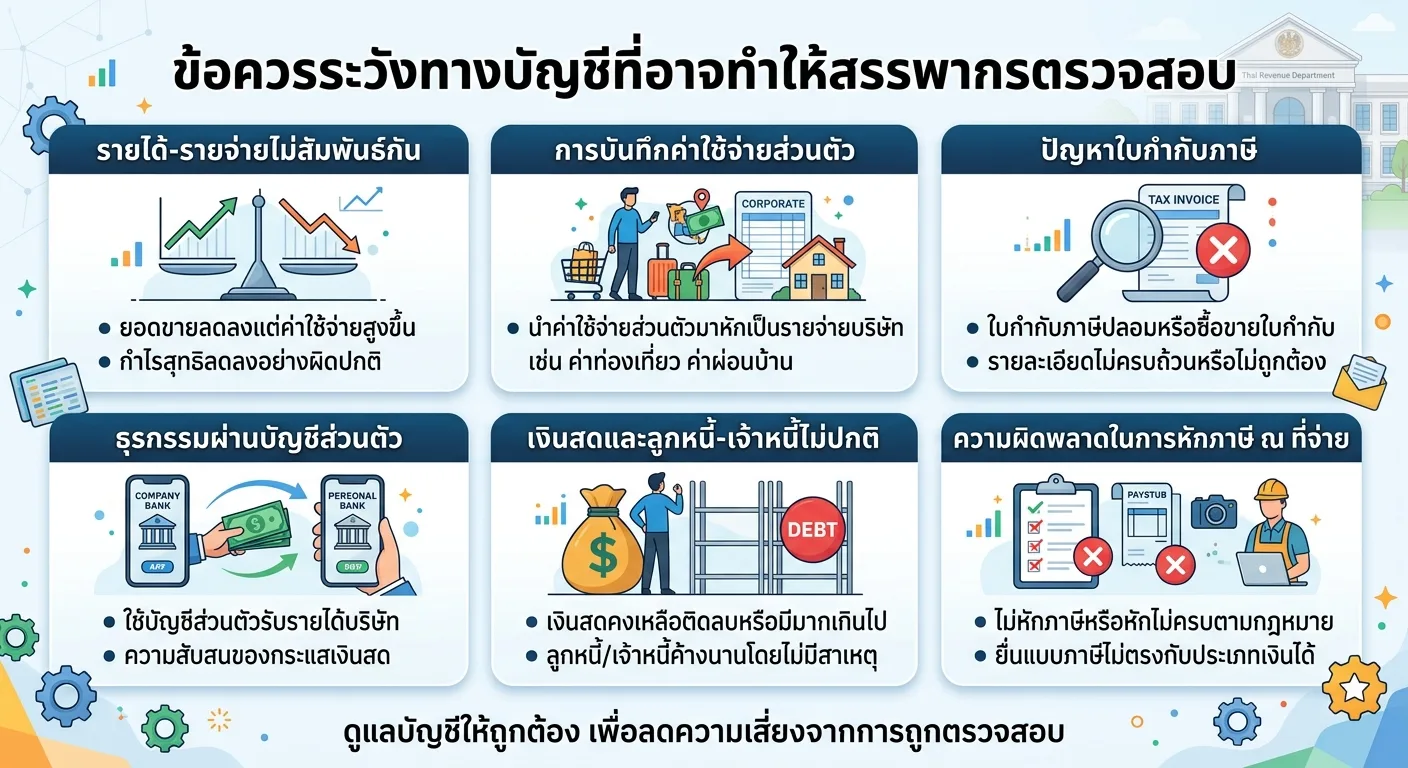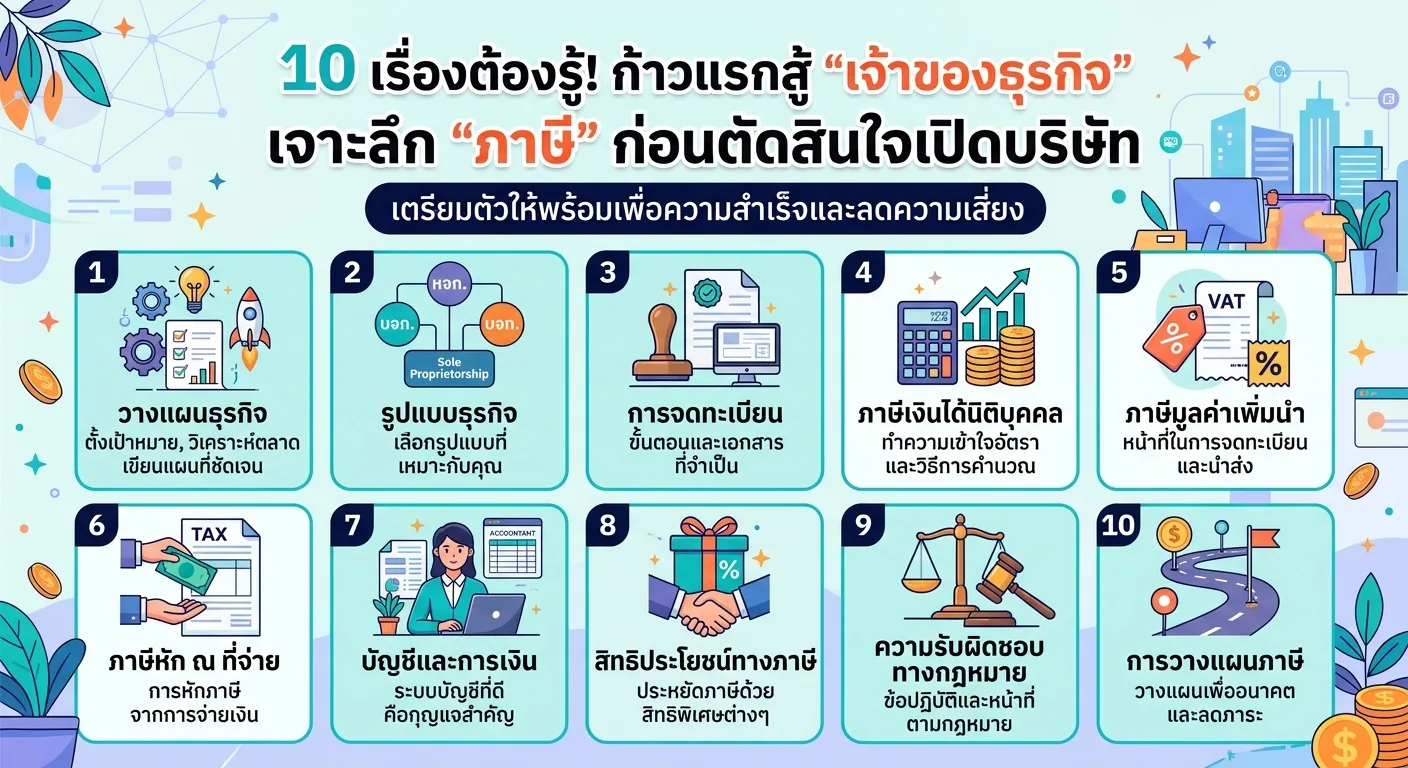
Essential Soft Skills Driving Career Advancement for Accountants in 2026
As AI takes over computational tasks, soft skills become the sole differentiator between a 'bookkeeper' and a 'financial strategy leader.'
By 2026, the accounting profession is undergoing a rapid transformation—shifting from a focus solely on the "accuracy of figures" to a full-fledged role as a "business partner."
While many accountants may possess similar levels of knowledge regarding accounting standards, tax regulations, and financial law, these "hard skills" are not what account for significant disparities in salary.
The answer lies in "soft skills"—the kind not found in textbooks.
This article explores the essential soft skills that will help accountants accelerate their career growth, secure rapid promotions, and command higher salaries in 2026, complete with practical, actionable development strategies.
Why are soft skills crucial for accountants in 2026?
As automated accounting systems, cloud accounting, AI, and e-tax platforms become increasingly prevalent, the importance of manual data entry and repetitive, routine tasks is diminishing.
What organizations truly need are accountants who can:
Analyze data.
Communicate effectively with management.
Contribute to strategic decision-making.
These capabilities cannot be measured by grades or professional certifications; rather, they are reflected entirely through soft skills.
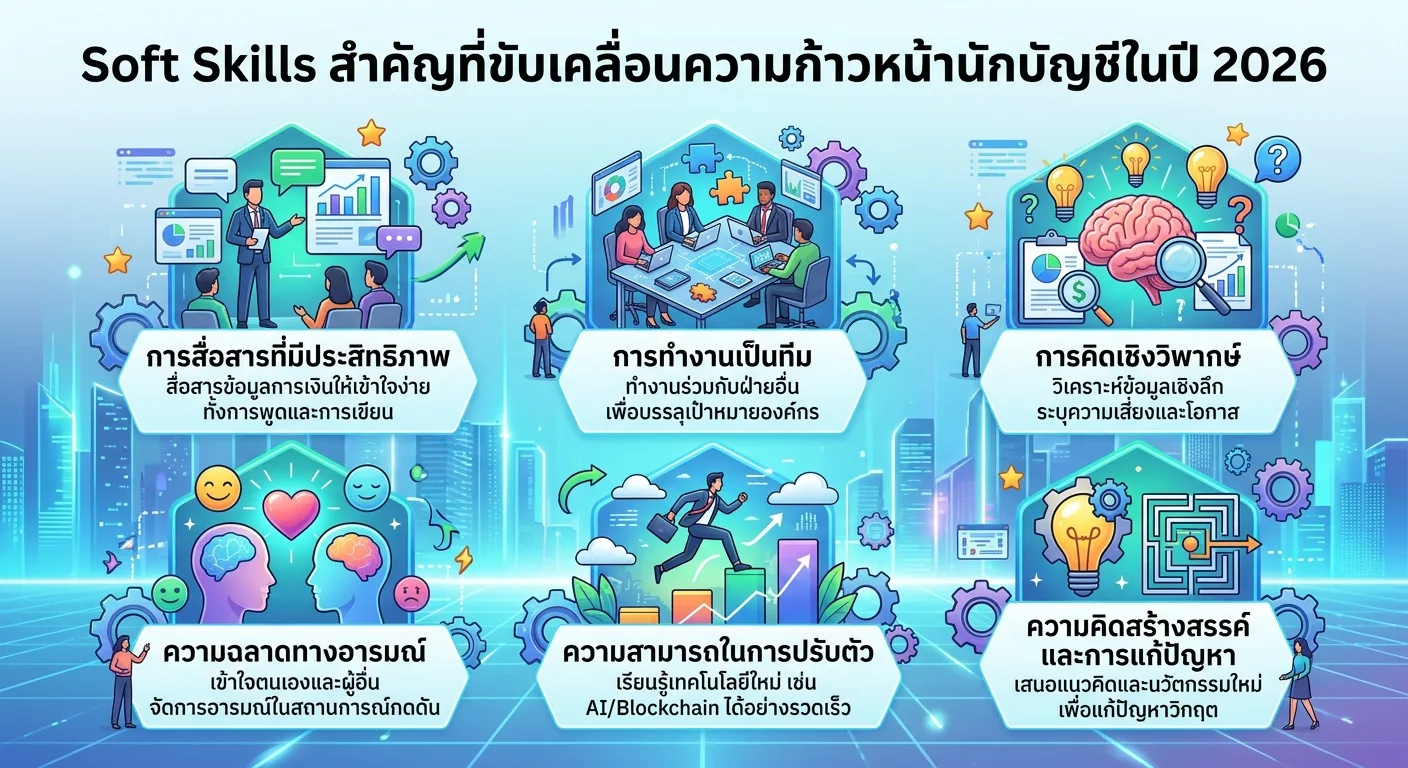
1. Communication Skills: Translating Numbers into Business Language
Many accountants have a deep understanding of financial statements but struggle to explain them to those outside the accounting field.
In 2026, high-earning accountants must be able to:
Explain financial statements in just a few minutes.
Summarize key points to facilitate immediate decision-making by management.
Avoid unnecessary, complex technical jargon.
For example, instead of saying:
"The gross profit margin has declined due to an increase in the cost of sales."
Try saying:
"Rising raw material costs have reduced the profit per unit." “If prices aren’t adjusted or costs aren’t controlled, this year’s profit will drop by approximately 12%.”
This capability shifts the perception of an accountant from a mere preparer of financial statements to a “trusted advisor.”
2. Thinking from a business perspective, not just fulfilling duties
Exceptional accountants go beyond simple data entry; they ask questions such as:
What do these figures reveal about the business?
Where do the risks lie?
What should management know based on this data?
Organizations are willing to pay a premium for accountants who can:
Anticipate problems before they arise.
Propose actionable solutions.
Connect accounting and finance with broader business strategy.
3. Managing time and pressure
Accounting roles inherently involve unavoidable deadlines, such as month-end closing, tax filings, and audits.
Key soft skills include:
Prioritizing tasks effectively.
Maintaining accuracy while working under pressure.
Communicating proactively when issues arise—well before a deadline is missed.
Accountants who can effectively manage such situations earn trust and are often the first to be considered for promotions.
4. Collaborating with non-accounting departments
Accountants must work with various departments, including Sales, Procurement, HR, and senior management.
The challenge is that each department thinks differently and may not speak the language of accounting.
Essential soft skills include:
Listening with an understanding of the broader context.
Explaining accounting constraints without creating conflict.
Acting as a bridge to connect information across different departments.
Accountants who make it easy and pleasant for others to work with them are far more valuable than those who are merely skilled with numbers.
5. Embracing technology and continuous learning
By 2026, accountants who resist technology face a high risk of being replaced. Accountants who:
Are proficient in accounting software,
Understand cloud-based systems, and
Adapt quickly to e-Tax and digital workflows
...will become highly sought-after professionals in the job market.
The reality: Companies do not pay you more simply because you work harder; they pay you because you help their systems operate faster and with greater accuracy.
6. Professional Mindset and Accountability
Successful long-term accountants typically share a common mindset:
Taking ownership of their work and its outcomes,
Having the courage to acknowledge and rectify mistakes, and
Viewing challenges as opportunities for growth.
Credibility and trust are vital assets that can be directly translated into a higher salary.
In summary: What will determine an accountant’s salary in 2026?
The answer goes beyond technical accounting knowledge—it depends on your ability to:
Communicate effectively,
Think with a business-oriented perspective,
Collaborate with others, and
Adapt to new technology.
If you want to increase your salary, advance your career, and become an indispensable asset to your organization,
Investing in the development of your soft skills—starting today—is the most valuable investment you can make.